
Chlamydia Testing Made Private: The Best At-Home Kits in the USA
Privacy and convenience are common barriers to STI testing. This article explains how at-home chlamydia screening kits work in the U.S., what they can and cannot detect, and how to use results responsibly.
# Chlamydia Testing Made Private: The Best At-Home Kits in the USA
Chlamydia is one of the most frequently reported sexually transmitted infections (STIs) in the United States. Because many infections do not cause noticeable symptoms, testing is often the only way to identify possible exposure. For some people, concerns about privacy, convenience, or scheduling clinic visits can delay or prevent screening.
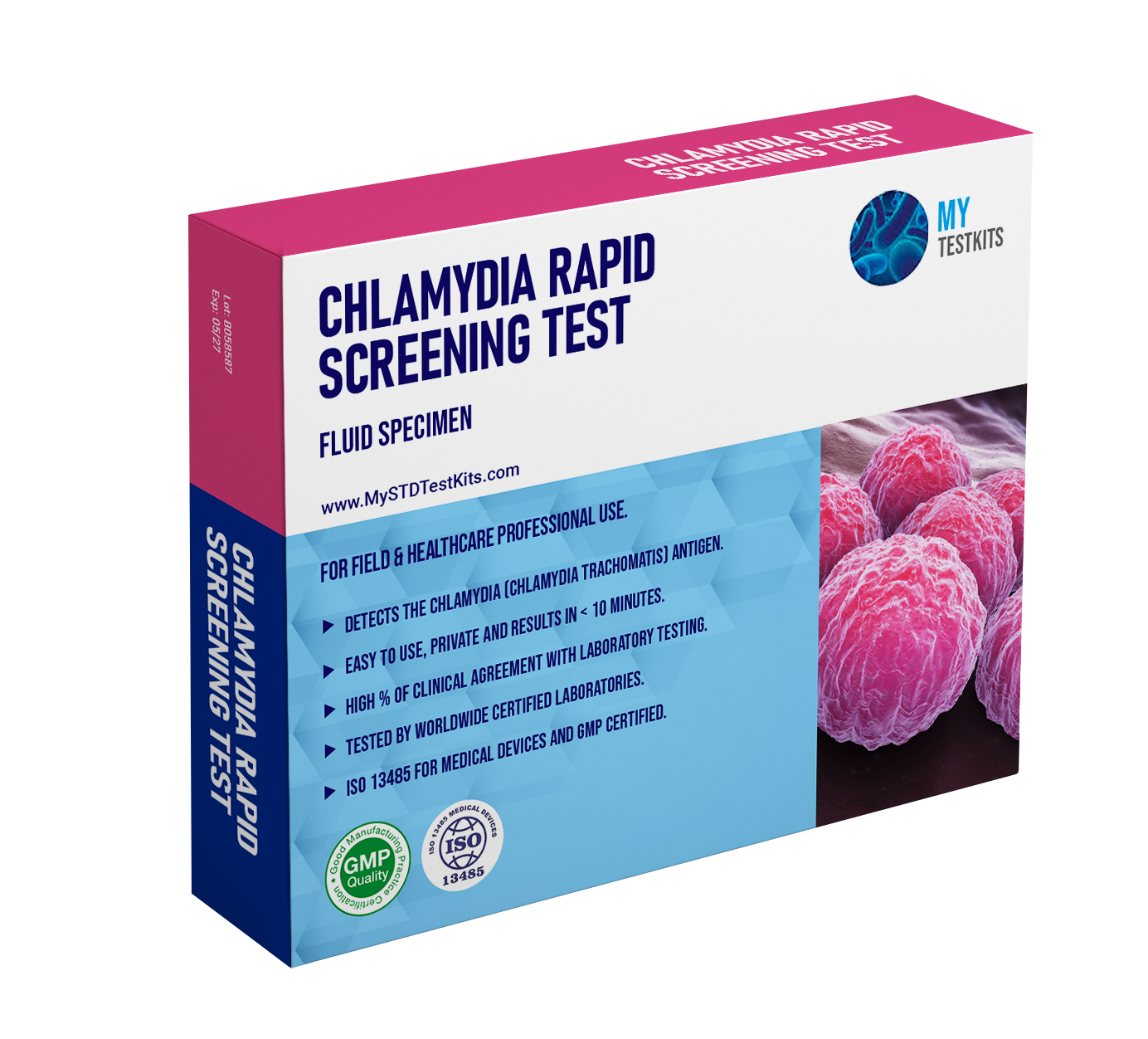
At-home [chlamydia test kits](https://www.mystdtestkits.com/product/chlamydia-rapid-test-kit) are designed to address these barriers by allowing individuals to screen privately. This article explains how these kits fit into chlamydia testing overall, what to expect from them, and the limitations that are important to understand before relying on results.
Why People Choose At-Home Chlamydia Testing
Traditional testing through a doctor’s office or STD clinic remains the standard approach for diagnosing chlamydia. However, not everyone feels comfortable accessing in-person care for routine screening. Common reasons people consider at-home testing include:
At-home kits are intended to make initial screening more accessible, not to replace professional medical evaluation.
How At-Home Chlamydia Test Kits Work
Most at-home chlamydia tests involve collecting a urine sample or a genital swab in a private setting. Depending on the kit, the sample is either processed using a rapid screening method or sent to a laboratory for analysis.
It is important to note that at-home tests are screening tools, not a medical diagnosis. They are designed to indicate whether chlamydia may be present, but results must be interpreted carefully and confirmed by a healthcare professional if positive.
Accuracy, Screening, and Test Limitations
At-home chlamydia tests generally use the same types of detection methods as clinical screening tests. However, no test is 100% accurate. False negatives can occur, particularly if:
A negative screening result does not completely rule out infection, especially if there has been recent exposure or ongoing risk.
Understanding the Window Period
The window period refers to the time between exposure to chlamydia and when the infection can be reliably detected by a test. For chlamydia, this period is typically around 7 to 14 days after exposure.
Testing during the window period may result in a false negative. If testing is performed early and concern remains, repeat screening at a later date or consultation with a healthcare provider is recommended.
What Happens If an At-Home Test Is Positive
A positive at-home chlamydia screening result should always be confirmed by a healthcare professional. Confirmation usually involves a laboratory-based diagnostic test ordered by a clinician.
If infection is confirmed, chlamydia is typically treated with antibiotics prescribed by a healthcare provider. Follow-up testing may be recommended to ensure the infection has cleared, depending on clinical guidance.
When At-Home Testing May Not Be Enough
At-home screening may not be appropriate in every situation. Individuals with symptoms, repeated exposures, or complex medical histories may benefit from direct clinical evaluation rather than relying solely on a home test.
Healthcare providers can also assess for other STIs, discuss test timing, and provide guidance that goes beyond what a screening kit can offer.
Trusted Sources for Additional Information
For readers seeking more detailed, neutral guidance on chlamydia testing and screening recommendations, the following resources are widely used and evidence-based:
Medical Disclaimer
This article is for informational purposes only and does not provide medical advice, diagnosis, or treatment. At-home chlamydia tests are screening tools and not a definitive medical diagnosis. Any positive result should be confirmed by a qualified healthcare professional, and medical decisions should always be made in consultation with a licensed provider.