
Gonorrhea, All You Need to Know
In-depth educational content about Gonorrhea, a common sexually transmitted infection (STI). Learn about its causes, risks, symptoms, detection, and treatment options, including self-testing with rapid test kits.
Gonorrhea, Everything You Want to Know
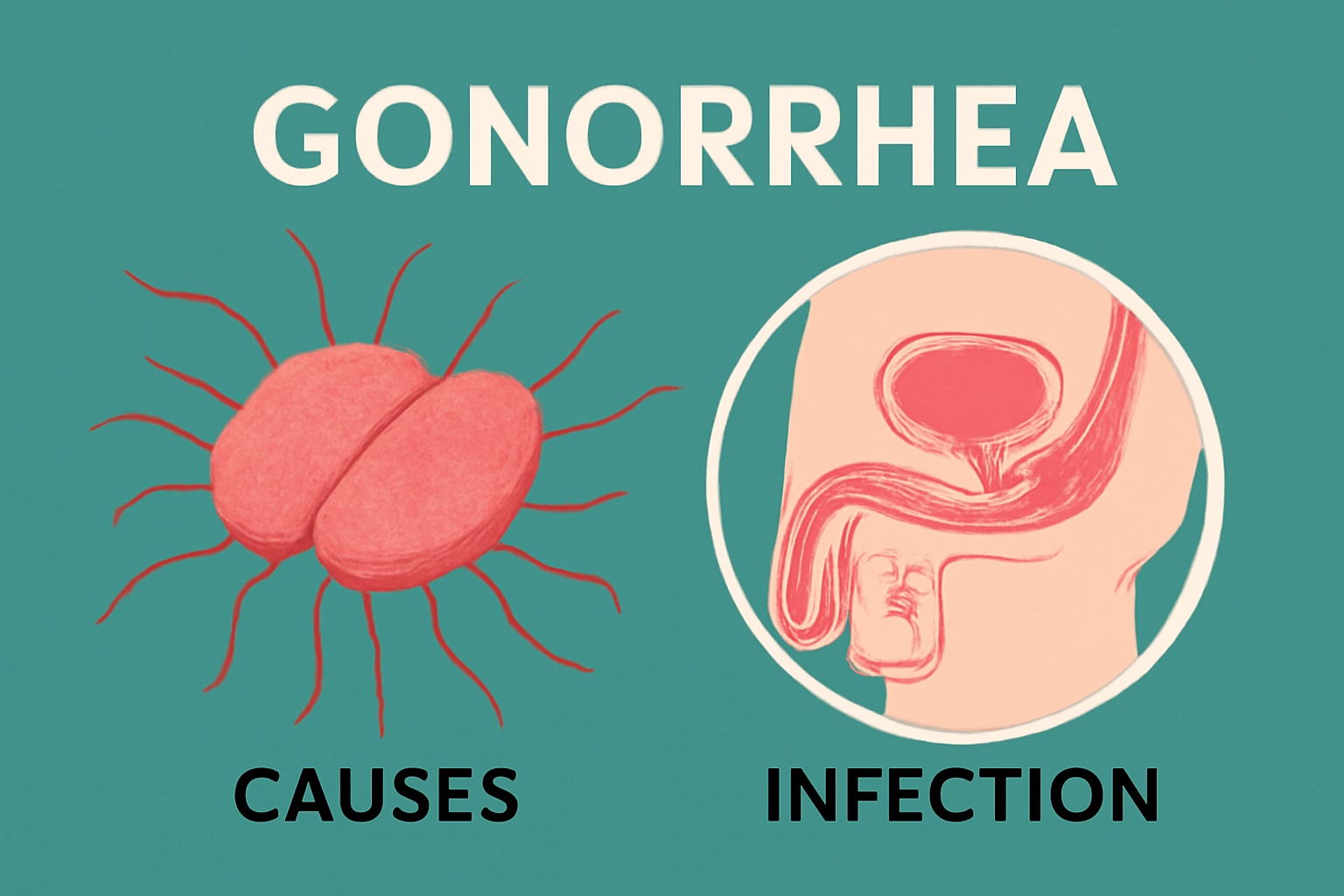
Gonorrhea is the among common Sexually Transmitted Infections (STIs) globally. It is due to the bacterium Neisseria gonorrhoeae and most commonly affects the mucous membranes (g genitals, rectum and throat. Gonorrhea is spread by vaginal, anal or oral sex and can be passed from mother to baby during child birth so it is very contagious and must be diagnosed early for effective treatment.
In this article, we’re going to cover the basics of gonorrhea: signs and symptoms, risk factors associated with contracting it, ways to test for it, treatments available for treatment and prevention of gonorrhea – including self-testing methods that are now easier than ever.
About Gonorrhea
Gonorrhea is one of the oldest known diseases, yet it remains a major public health problem. It can affect both women and men, although some groups of people, including those under 25 years of age who are sexually active, men who have sex with men, and people with multiple sexual partners — especially without using a condom — are at greater risk. Gonorrhea is notoriously contagious, and signs of it can be so mild or confused with something else that it's important to detect early for proper treatment.
Infection/Risks
Gonorrhea is most often spread by sexual contact. Unprotected vaginal, anal or oral sex with someone who has the infection (with or without symptoms) will cause it to be passed from person-to-person. It is also possible to transmit the infection from mother to baby at birth, where it can have serious consequences for the baby, including eye infections.
If not treated, gonorrhea can result in:
Pelvic Inflammatory Disease (PID): If left untreated, gonorrhea can move from the uterus to a woman’s reproductive organs—causing PID which in turn can lead to infertility or ectopic pregnancy.
Infertility: Untreated, both men and woman can become infertile due to gonorrhea.
Higher HIV risk: People with gonorrhea are more likely to get infected with HIV.
Disseminated Gonococcal Infection (DGI): In a small number of cases, gonorrheal bacteria can enter the bloodstream causing a more serious systemic infection and symptoms such as joint pain, skin rashes, and fever.
Symptoms
Symptoms of gonorrhea Depending on the part of your body that’s affected, symptoms of gonorrhea can show up a number of days or even weeks later, but sometimes they don’t surface for months. According to Nirenberg, a person may have no symptoms of coronavirus and unknowingly spread the infection.
Common Symptoms in Women:
-
Painful urination
-
More or abnormal discharge from the vagina (may have a green or yellow color)
-
Pain or discomfort during sexual intercourse that is located in your pelvis
-
Abnormal bleeding between periods
Common Symptoms in Men:
-
Painful urination
-
Discharge from the penis (yellow or green in color)
-
Testicular pain or swelling
-
Ask if there is any anal sex and the presence of rectal bleeding or pain.
Symptoms in the Throat - Pharyngeal Gonorrhea:
-
Sore throat
-
Swollen lymph nodes
-
Difficulty swallowing
Symptoms on the Rectum (Rectal Gonorrhea):
-
Anal itching
-
Discharge from the rectum
-
Painful bowel movements
Since symptoms can be mild or even nonexistent, it’s important to get tested regularly — especially if you’re sexually active with more than one partner.
Detection/Testing
To diagnose gonorrhea, you will need a lab test where they take a sample of your urine or swab an infected area (like your genitals, your rectum, or the back of your throat). The following are the most frequently used tests to determine gonorrhea:
This test, which is the most accurate way to find gonorrhea in your body, tests for the genetic material (DNA) of Neisseria gonorrhoeae.
Culture Test: An infected area's sample is deposited in a culture medium to cultivate and identify the bacteria.
Rapid Test Kits: Tested kits for gonorrhea perform self-test, usually a urine test to show if you have the infection. They may not be as readily available as other tests, but they offer an easy and discreet way for anyone to test themselves for gonorrhea at home.
Self-Testing with Rapid Test Kits
Home gonorrhea test kits are also increasingly common for those who prefer to be discreet and test at home. These are usually for urine samples and provide instant results. While convenient, the presence of these substances should always be confirmed by a healthcare provider for accurate diagnosis and treatment plan.
Treatment
The disease is caused by a bacteria and may be treated successfully with an antibiotic. But antibiotic resistance is on the rise, STD Awareness says, which is why it’s important to take all of the medication you’re prescribed — even if symptoms go away before you’ve finished your prescription.
First choice therapy: At present, the Centers for Disease Control and Prevention (CDC) recommends a single injection of ceftriaxone — a cephalosporin — combined with an oral azithromycin to kill its close ally chlamydia.
Rest: According to the NHS, you should get retested after treatment to make sure your thrush infection has cleared up – particularly if there’s a risk that you’re at risk of reinfection.
It’s important to tell sexual partners that they may have contracted the infection so that they, too, can get tested and treated if necessary. Avoiding sexual intercourse until the infection is completely treated helps reducing spread.
Prevention
The only way to avoid gonorrhea is to practice safe sex. These include:
Condoms: The correct and consistent use of condoms in vaginal, anal and oral sex can greatly reduce the risk of gonorrhea infection.
Limit sex partners: The fewer sex partners you have, and the more faithful you are to one partner who does not have STIs, the less likely you will be to catch an STI.
Regular testing: Regular sexually active individuals, particularly those at greater risk for gonorrhea, can test and catch the infection in its initial stages even without any symptoms.
Conclusion
Gonorrhea is a common STI, however, it can be prevented and treated. Gonorrhea prevention can be achieved through early identification, appropriate management and routine screening procedures. If you are sexually active, it is important to know the signs and get tested regularly. Self-testing: Rapid test kits Much like at-home pregnancy tests, testing yourself with a rapid test kit provides an easy way to screen for the virus — but you’ll need a formal test from a health care provider to know if it’s accurate.