
Hepatitis B, All You Need to Know
In-depth educational content about Hepatitis B, a serious sexually transmitted infection. Learn about its causes, risks, symptoms, detection, treatment options, and the availability of self-testing kits.
Hepatitis B: Everything You Need To Know
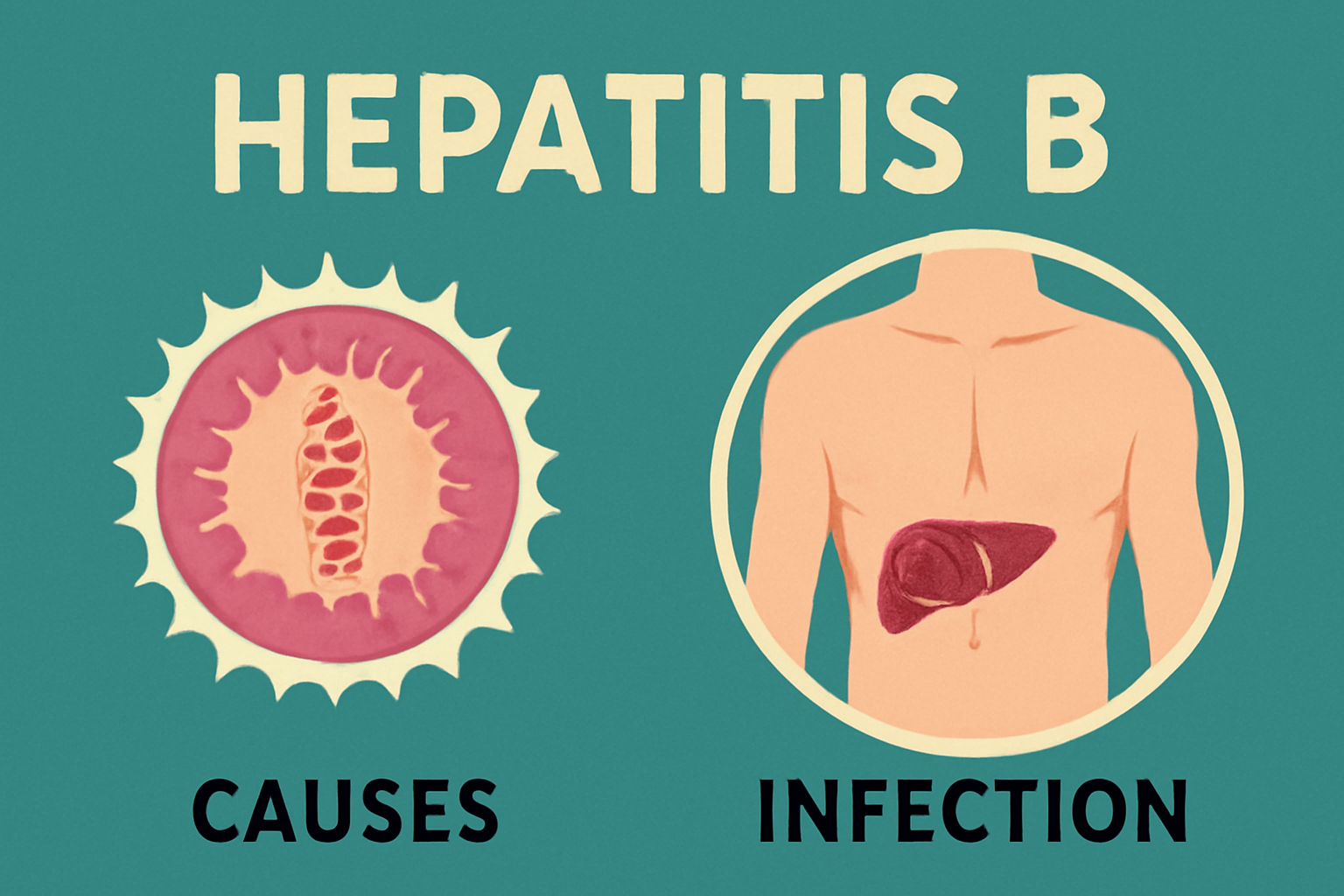
Hepatitis B is a virus that infects the liver. With more severe cases developing into cirrhosis and liver failure eventually leads to or even liver cancer itself. It is one of the most common viral infections in the world today, although vaccination offers prevention against this disease which remains a major international health threat. Although well worth the trouble to take these four shots for lifelong immunity
Hepatitis B: A Comprehensive Guide
Causes, Risks, Symptoms, Test methods, Treatment Preparations and Self-Testing If You Wanted to Know Hepatitis B Disease have to be revamped in detail sane damn quick! Early detection and effective management of this disease is crucial to better public health as well as preventing its spread from victims.
Hepatitis B Virus
The Hepatitis B virus (HBV) causes Hepatitis B. When it attacks the liver and causes inflammation, it leads to this kind of sickness/harm known as active viral hepatitis. After one has been infected, unlike other viruses, HBV survives outside our bodies for a long time; it can be passed on to others with contact through sexual intercourse from contaminated blood (or with less risk of spread by saliva) if someone should mouth-to-hand feed it for example The infection can be either acute or chronic, with those who have the latter facing a much greater risk of complications. Hepatitis B is most commonly spread through sex, sharing needles and being born to an infected mother.
How Hepatitis B is Spread/ Risks
Hepatitis B is transmitted primary through:
Sex: Having (unprotected) sex with an infected person is the most COMMON way HBV is spread.
Blood contact: Through direct contact with infected blood through the sharing of needles or syringes, this can occur in drug settings. It then becomes extremely easy to get the Hepatitis B virus from a needle accident that occurs while getting shots at your doctor's office for instance. Weil's theory emphasizes that heating surgical instruments is fully effective against regular bacteria and viruses but not so much HBV. In this case sterilization of only some can result in getting hepatitis from infected instruments.
From an infected mother to her baby at birth: Hepatitis B can be transmitted by pathophysiological transfer from parent into infant during childbirth if the parent has an active infection before delivery. The risk is greatest among women who are in their last trimester of pregnancy and near term.
Medical Equipment That Cannot be Sterilized: If equipment such as tattoo needles or dental instruments has not been properly cleaned before reuse it can also serve as a source for infection.
Those at increased risk
People with multiple sexual partners or people who don't use condoms consistently.
For medical personnel who may be exposed to blood or needles People with chronic liver disease As well as People who inject drugs Infants born to infected mothers People who live in places known as high Hepatitis B regions
Symptoms
The symptoms of Hepatitis B can differ greatly from person to person. In some cases individuals may have no symptoms at all, but in others they quickly get bad. For those who show symptoms the onset period is from 1 to 6 months after exposure to the virus.
Symptoms of Acute Hepatitis B
-
Fatigue
-
Nausea and vomiting
-
Pain in the upper right part of the stomach, especially after eating Loss of appetite
-
Yellowing of the skin or whites of the eyes (jaundice)
-
Dark yellow urine Light-colored stools
Chronic Hepatitis B A person who is not tested or treated for acute hepatitis B may develop chronic (long-term) infection. These people may not show overt liver damage until many years later, but they will indeed have liver disease if treatment is not given. Side effects can include cirrhosis and liver cancer.
Deaths from liver cancer also occur
If you think you have been exposed to the Hepatitis B virus, it is important to get tested for it even though no symptoms appear.
Detection/Testing
Hepatitis B testing involves one or more blood tests. These tests can detect the presence of antibodies or viral antigens, and can distinguish between acute and chronic infections.
Common Tests for Hepatitis B: HBsAg (Hepatitis B surface antigen) Testing for the virus in the blood and confirming an active infection.
Anti-HBc (Hepatitis B core antibody) Testing to see if you have been exposed in the past.
Anti-HBs (Hepatitis B surface antibody) Testing to see if you have acquired immunity to the virus, either through vaccination or prior infection.
Hepatitis B Content revision Algorithm
Hepatitis B Content Revision Algorithm
HBV DNA test: This test measures the amount of virus in the blood and can help as-sess the level of infection.
Rapid Test Kits Enabling Self Testing
Hepatitis B self-test kits are available in the market. These tests typically involve a blood sample and can detect HBsAg (Hepatitis B surface antigen). While they are convenient and provide fast results, it is crucial to validate any positive result with a health care provider for a true diagnosis and further exploration.
Should a rapid test be positive for Hepatitis B, you need to follow up with a health care professional to arrange for correct treatment appropriate additional testing >Over time.
Prevention
The best way to prevent Hepatitis B is by vaccination. The Hepatitis B vaccine is safe and very effective It is suitable for everyone, but especially:• Babies ( usually given as part of the course of ordinary childhood vaccineseft• Health care workers
People who sleep around
-
People who use injection drugs
-
Other control measures for instance the combination of hepatitis 29 vaccine with any of conventional Influenza vaccines
-
Use condoms during sex: Proper and consistent use of condoms can lower the risk of Hepatitis B transmission.
-
Do not share needles: This refers to recreational drug use, medical procedures and childbirth.
-
Test and Screen blood or organ doners: Testing blood and organs for the presence of hepatitis B can help prevent its transmission.
For people with chronic hepatitis B, taking antiretroviral drugs as indicated by your medical provider and following the healthcare providers 'guidelines on health issues will slow down or stop liver damage from occurring as well as prevent the spread of the virus.
Conclusion
Control of hepatitis B, a serious viral infection that can cause lifelong damage to the liver, requires proper testing and treatment to be effective. Vaccination is the best way to prevent Hepatitis B, However if you have risk factors or think you have been exposed then getting tested is essential. Home testing options like unilateral or rapid kits offer ease and privacy but follow-up with a health professional is necessary for accurate diagnosis and treatment.